Growing Skills, Reducing the Gap
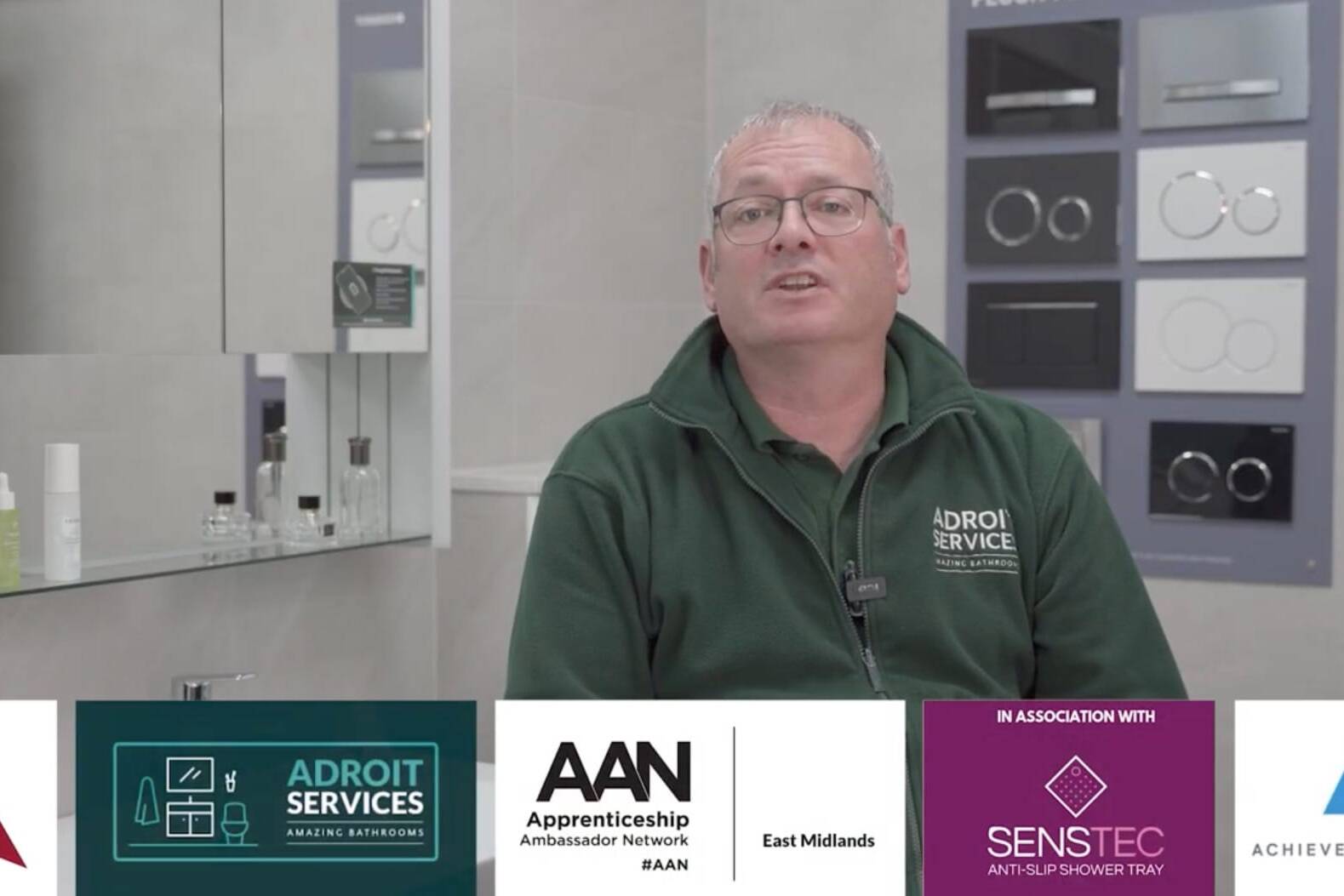
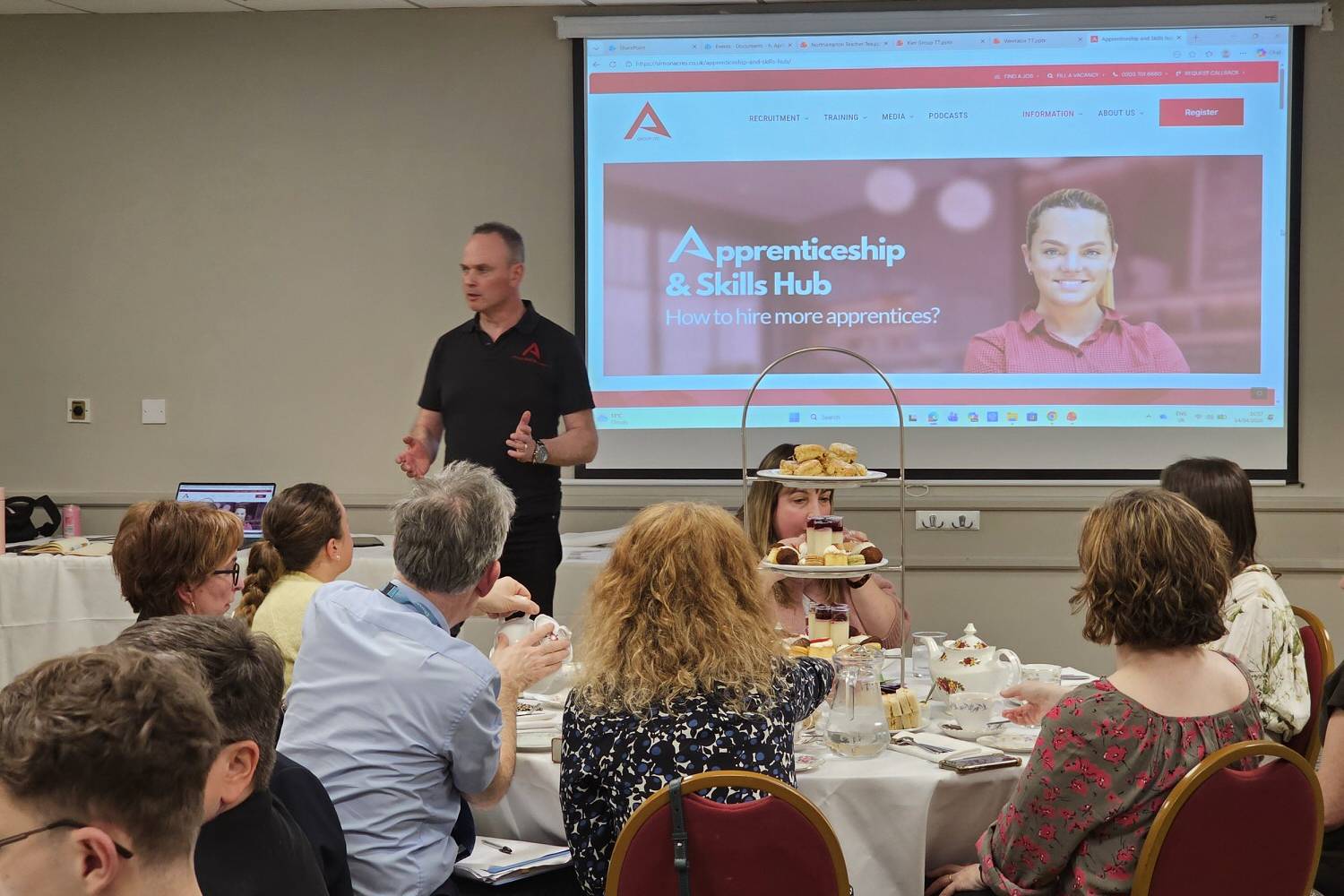
As part of our ongoing project The Journey of an Apprentice, we recently visited the Construction Skills Centre to capture another important perspective on how apprenticeships are shaping the future of our industry. Simon sat down with Peter Bar to discuss how his business supports apprentices, why investing in the next generation matters, and what lessons others in the sector can take away.
The conversation raised some key questions – and delivered some powerful answers:
How do you support the Skills Centre and apprentices?
Peter explained that his company regularly donates products – anything from obsolete stock to items with cosmetic defects – to the local college. This not only reduces waste in the industry but also gives apprentices valuable hands-on experience with real materials. As Peter pointed out:
“If manufacturers think, why shouldn’t I get my product into the hands of the future workforce? – it benefits everyone. Students learn, and the brand builds loyalty for the future.”
What kind of apprenticeship training does your business offer?
Peter highlighted the Property Maintenance Operative standard, which covers tiling, plastering, electrical, plumbing, joinery, and more. Learners split their time between college and the workplace, practicing in both environments so skills are reinforced and “stick.”
For his team, even though they focus solely on bathrooms, broader skills like roofing and joinery are still highly relevant. Apprentices are learning not just technical tasks, but also problem-solving in real-world contexts.
Why should businesses hire apprentices?
Peter’s message was clear:
“If everyone was doing this, none of us would be worried about the skills gap.”
By hiring apprentices, businesses:
Grow their own talent to fit company needs.
Contribute to solving the industry-wide skills shortage.
Improve long-term succession planning.
Create loyalty and potentially future leaders within their teams.
Peter’s company is proud to be part of the so-called “11% Club,” with apprentices making up more than 10% of the workforce – well above the industry norm.
But won’t apprentices just leave?
This common concern was addressed head-on:
Any employee can leave, not just apprentices.
The key is to make them want to stay, by offering a clear career pathway, progression roles, and a supportive environment.
Customers respond positively when they see businesses investing in young people, which builds brand trust and reputation.
Peter shared how many customers, especially older ones, feel reassured knowing apprentices are being trained – it shows the business has long-term commitment to both its people and its community.
What impact does this have on customers and communities?
Customers often see apprentices on-site as a positive sign of future sustainability and community investment. Word spreads quickly – sometimes through something as simple as a proud grandparent sharing their apprentice’s story in the hairdresser’s chair!
This goodwill reinforces the company’s reputation and reassures clients they are working with a business that values quality, longevity, and people.
The takeaway?
Apprenticeships are not just about filling a skills gap – they are about shaping the future of the industry, strengthening communities, and ensuring businesses have the talent to thrive.
Peter summed it up perfectly:
“People aren’t just buying a product or service – they’re buying into the business. Apprenticeships show that you’re planning to be around for the long term.”
#Apprenticeships #SkillsGap #FutureOfWork #ConstructionCareers #TheJourneyOfAnApprentice #Training #SMEs #CareerPathways