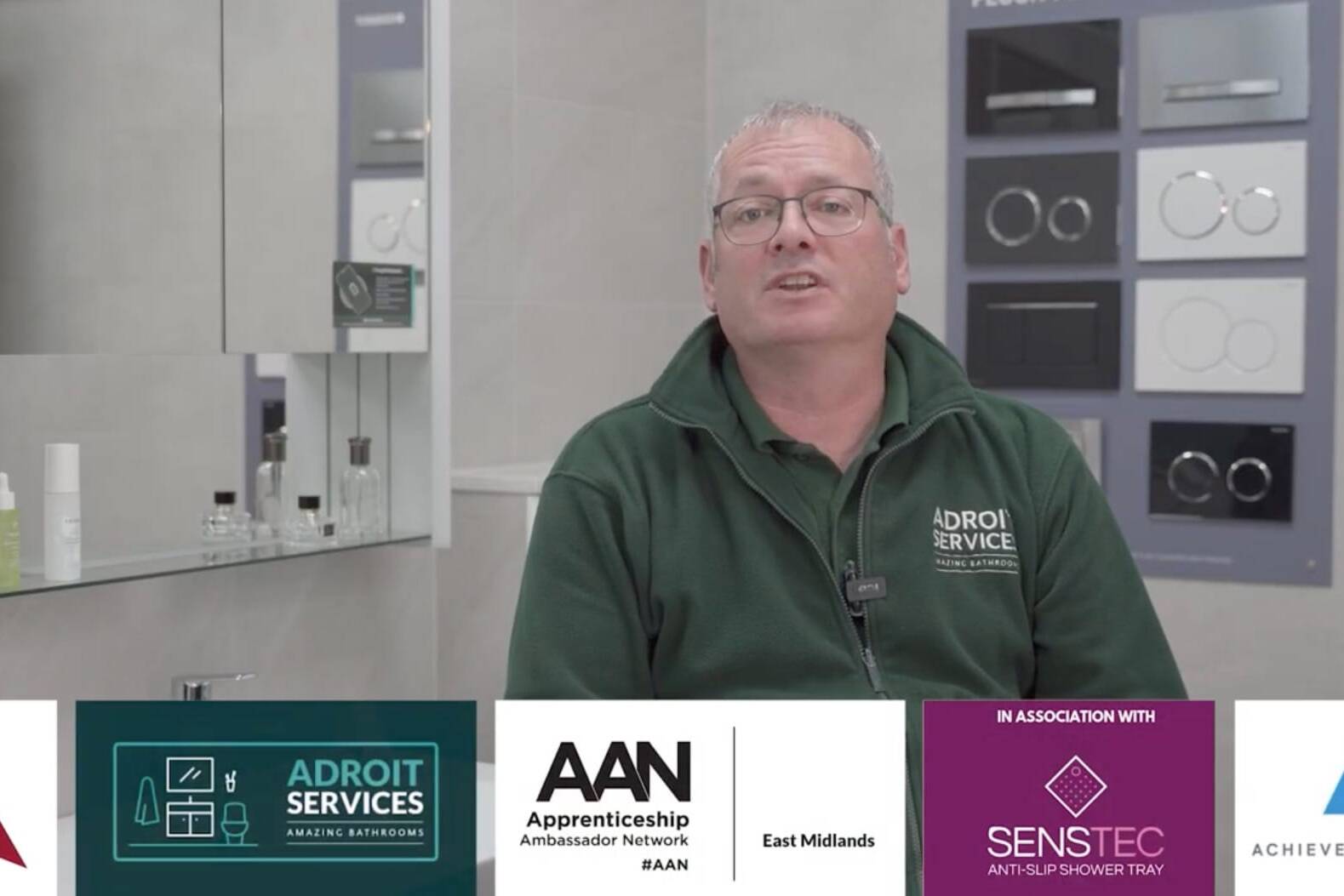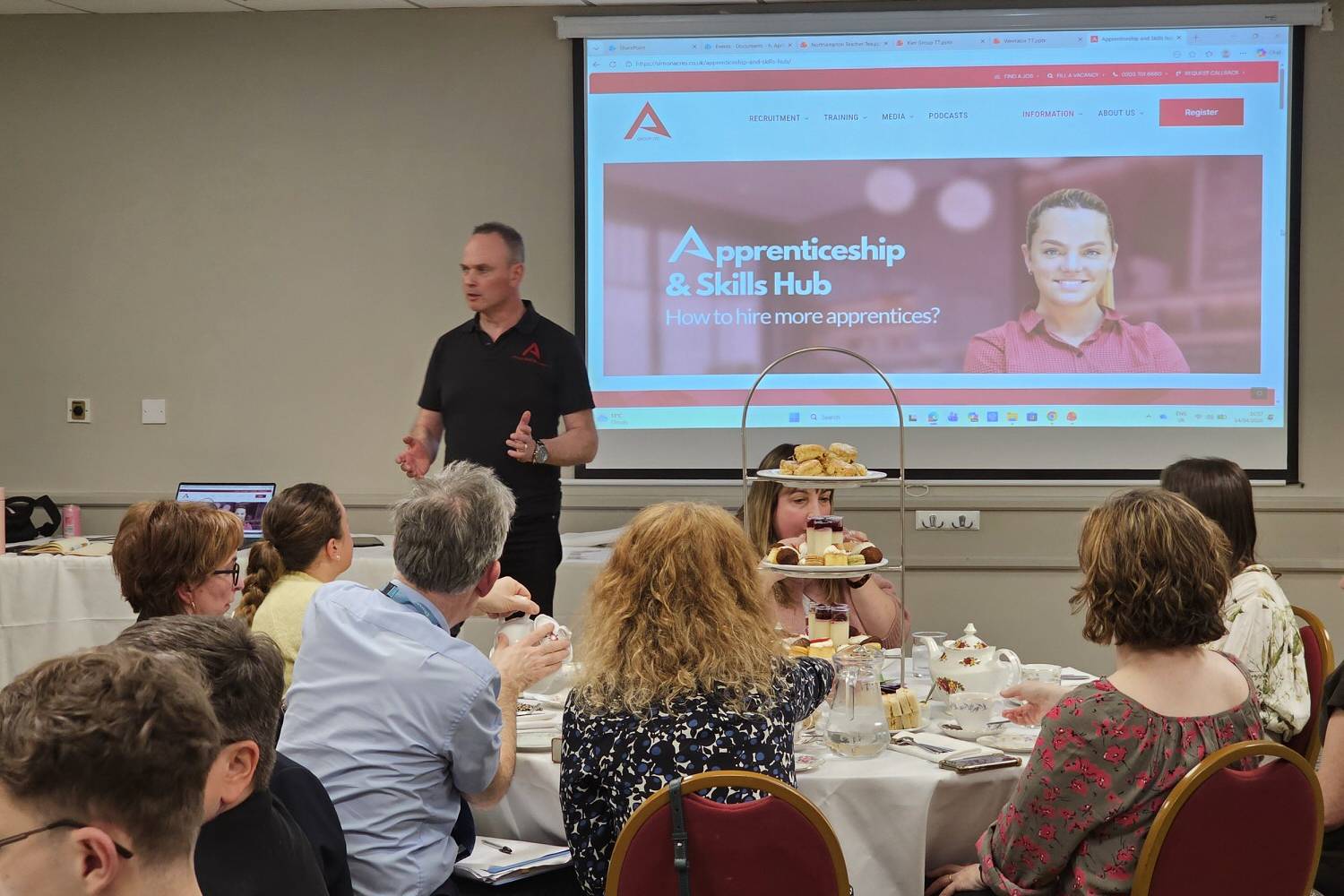
With the right combination of training, hands-on experience, and industry awareness, even beginners can quickly establish themselves and be seen as professional, capable candidates.
1. Who Can Become a Kitchen Designer?
You don’t need decades of experience to start. Kitchen design is a field open to a wide range of people:
- Young professionals entering the job market with a passion for interior design or home improvement.
- Career changers from related industries, such as interior design, architecture, furniture design, or even retail and client-facing roles in home and living sectors.
- People with transferable skills, like project management, CAD experience, sales, or strong visual and spatial awareness.
What all successful kitchen designers have in common is a mix of creativity, technical know-how, and excellent communication skills. Even if you’re starting from scratch, the right mindset and willingness to learn can take you far in this career.
2. Transferable Skills That Help You Adapt Quickly
One of the biggest advantages for career changers or beginners is that many skills are easily transferable to kitchen design. Even if you’ve never designed a kitchen before, your previous experience can give you a head start.
Key skills include:
- Technical and design skills: Experience with CAD, 3D modelling, or any kind of layout planning helps you quickly learn kitchen design software.
- Client-facing skills: Communication, listening, and advising clients are essential. If you’ve worked in sales, hospitality, or customer service, you already have a valuable foundation.
- Project management: Planning timelines, managing budgets, and coordinating with contractors or suppliers is crucial. Anyone with organisational experience will adapt fast.
- Visual sense and creativity: Understanding colours, materials, ergonomics, and proportions can be developed through design-related hobbies or work.
With these skills, learning the specifics of kitchen layouts, appliances, and cabinetry becomes much easier.
3. Learning Path for Beginners
Even with transferable skills, you’ll need to understand the technical and aesthetic aspects of kitchen design. Here’s how to start:
- Courses and certifications: Look for short courses in kitchen or interior design. Some are available online, others through local colleges. Certifications help build credibility, especially if you’re changing careers.
- Software training: Learning CAD, SketchUp, or other 3D design tools is essential. Many online tutorials are available, and mastering them early gives you a competitive edge.
- Mentoring and shadowing: Working alongside experienced designers or volunteering in a showroom can give practical insights you can’t get from books.
- Hands-on practice: Start small—rearranging your own kitchen, redesigning a friend’s space, or creating concept designs. Every project adds to your understanding and portfolio.
Gaining Relevant Experience Fast
Practical experience is key to becoming confident and employable:
- Entry-level jobs: Positions such as showroom assistant, design assistant, or kitchen sales advisor provide exposure to real clients and project workflows.
- Freelance or small projects: Offer design help to friends, family, or local clients to gain real-life examples for your portfolio.
- Building a portfolio: Document every project—before-and-after photos, sketches, 3D renders. Even small projects show your problem-solving and creativity.
- Networking: Connect with suppliers, showrooms, and professional associations. These relationships can lead to mentorship, referrals, and job opportunities.

Career Opportunities and Pathways
Breaking into the kitchen design industry has never been easier for beginners or career changers, especially if you know where to look for guidance and training. Here’s a roadmap to help you get started:
1. Apprenticeship programs:
One of the fastest ways to gain real-world experience is through apprenticeship schemes. Simon Acre Recruitment specialises in connecting aspiring designers with companies looking for apprentices. This hands-on experience allows you to learn while working, building both skills and professional networks.
2. Face-to-face courses:
For a more structured, in-person learning experience, consider Renee Mascari’s professional kitchen designer courses in Nottingham. Renee’s classes cover both technical and client-facing aspects of the role, giving beginners a strong foundation.
3. Online courses and self-development:
Platforms like simonacrestraining.co.uk offer professional courses such as Sales Training, which are highly relevant for kitchen designers who often interact with clients and need strong consultative skills.
5. Building credentials:
Additional certifications from these courses not only improve your knowledge but also make you more attractive to potential employers, even as a junior designer. Employers value candidates who show initiative and a willingness to learn.
6. Staying current:
Engage with trends and inspiration on social media platforms like Instagram, Pinterest, and YouTube. Employers appreciate designers who are up-to-date with the latest styles and can bring fresh ideas to clients.
Pros and Cons of Being a Kitchen Designer
Pros:
✅ Exciting and prestigious career path with opportunities to work in beautiful, high-end environments.
✅ Potentially lucrative salary with the chance to manage your own branch or even open your own showroom.
✅ Attractive company events and networking opportunities.
✅ Recognition through industry awards, such as KBB Awards, which can highlight your achievements.
✅ High satisfaction from completing projects successfully and seeing happy clients recommend you to others.
✅ Wide choice of job locations and relatively easy to change positions, as there are many kitchen showrooms and companies in the market.
✅ Opportunity for continuous creative development—designing new layouts, experimenting with materials, and following design trends.
✅ Flexibility to specialise in areas such as bespoke kitchens, sustainable designs, or luxury projects.
Cons:
🤔 Work can be demanding and stressful because you are responsible for high-value projects. You need to consider both practical and aesthetic aspects and anticipate potential technical complications (e.g., electrical, plumbing).
🤔 Clients can be demanding, change their minds, or be difficult to manage.
🤔 Continuous learning is required—training often involves travel to factories or workshops.
🤔 Supply chain challenges require strong planning and logistical skills.
🤔 Strong interpersonal skills are essential—listening to client needs and providing tailored advice rather than simply “selling” products.
🤔 Sometimes long or irregular hours to meet deadlines or client schedules.
🤔 High attention to detail is mandatory; mistakes can be costly both financially and reputationally.
Tips for Fast Adaptation and Success
- Leverage your transferable skills
Skills from previous jobs, whether in sales, interior design, project management, or customer service—can give you a head start. Identify what you already do well and think about how it applies to kitchen design. - Invest in training early
Take advantage of face-to-face courses (like Renee Mascaria’s courses) and online learning (CAD, sales training, design principles). The sooner you learn the essential tools and methods, the faster you’ll feel confident. - Get hands-on experience
Even small projects count. Redesign your own kitchen, help a friend, or volunteer at a showroom. Document everything for your portfolio, it’s proof you can deliver results. - Learn the software
Become familiar with kitchen design software like SketchUp, Artica, or Cyncly before applying for jobs. Employers appreciate candidates who can start contributing immediately. - Follow trends and materials
Stay up-to-date with kitchen design trends on Instagram, Pinterest, and YouTube. Understanding what clients want and what’s currently popular makes you a more confident and credible designer. - Build your professional network
Attend industry events, showroom openings, and training workshops. Networking can open doors to apprenticeships, mentorships, and job opportunities. - Focus on client relationships
Listen actively, ask the right questions, and understand each client’s lifestyle. Kitchen design is not about selling products, it’s about creating spaces that truly work for people. - Develop a problem-solving mindset
Expect unexpected challenges, technical issues, supply delays, or last-minute client changes. Approach each problem calmly and creatively; your reputation as a reliable designer depends on it. - Document and showcase your work
Keep detailed notes, sketches, and renders. Even junior designers benefit from a strong portfolio that demonstrates your thinking process, creativity, and problem-solving skills. - Be patient and persistent
Success in kitchen design doesn’t happen overnight. Keep learning, practising, and taking opportunities to gain experience. Passion and commitment are often noticed and rewarded by employers.
Becoming a kitchen designer is an exciting journey full of creativity, problem-solving, and opportunities to make a real impact on people’s homes. Whether you’re starting fresh or transitioning from another career, the path is open to anyone willing to learn, practice, and stay curious.
Start by building your skills—both technical and client-focused—through courses, apprenticeships, and hands-on projects. Take advantage of the resources available, from software training to industry events, and document every step in your portfolio.
When it comes to finding your first role, start simple: look for kitchen showrooms in your area, reach out, and ask if they have any opportunities. Don’t be discouraged if you hear “not right now”—circumstances change, and it’s worth following up periodically. In the meantime, continue learning and building your skills as we discussed earlier.
It’s also wise to apply online via platforms like kbbrecruitment.co.uk, where you can register your CV and express your readiness to start when a suitable role becomes available.
Remember, success doesn’t happen overnight. Even as a junior designer, showing initiative, staying up-to-date with trends, and delivering thoughtful, practical solutions will set you apart. With patience, dedication, and a passion for design, you can build a rewarding career—potentially leading to senior roles, managing your own team, or even opening your own showroom.
The first step is simple: start learning, start designing, and don’t be afraid to take on small projects. Every sketch, render, or client conversation brings you closer to becoming a confident, skilled kitchen designer.
Ready to Start Your Career in Kitchen Design?
If you’re looking for training, job opportunities, or an apprenticeship to launch your journey, we’re here to help.
Whether you’re a beginner, a career changer, or someone looking to sharpen your skills, our team can guide you every step of the way.
👉 Contact us today to discuss your goals, explore available roles, or find the right training path to match your ambitions.
Your future in kitchen design starts with a single message — reach out now and let’s build it together.
Please give us a call at 0203 701 6660.