Industry Legends
Simon Taylor
Forty Years of Timeless British Craftsmanship with Simon Taylor
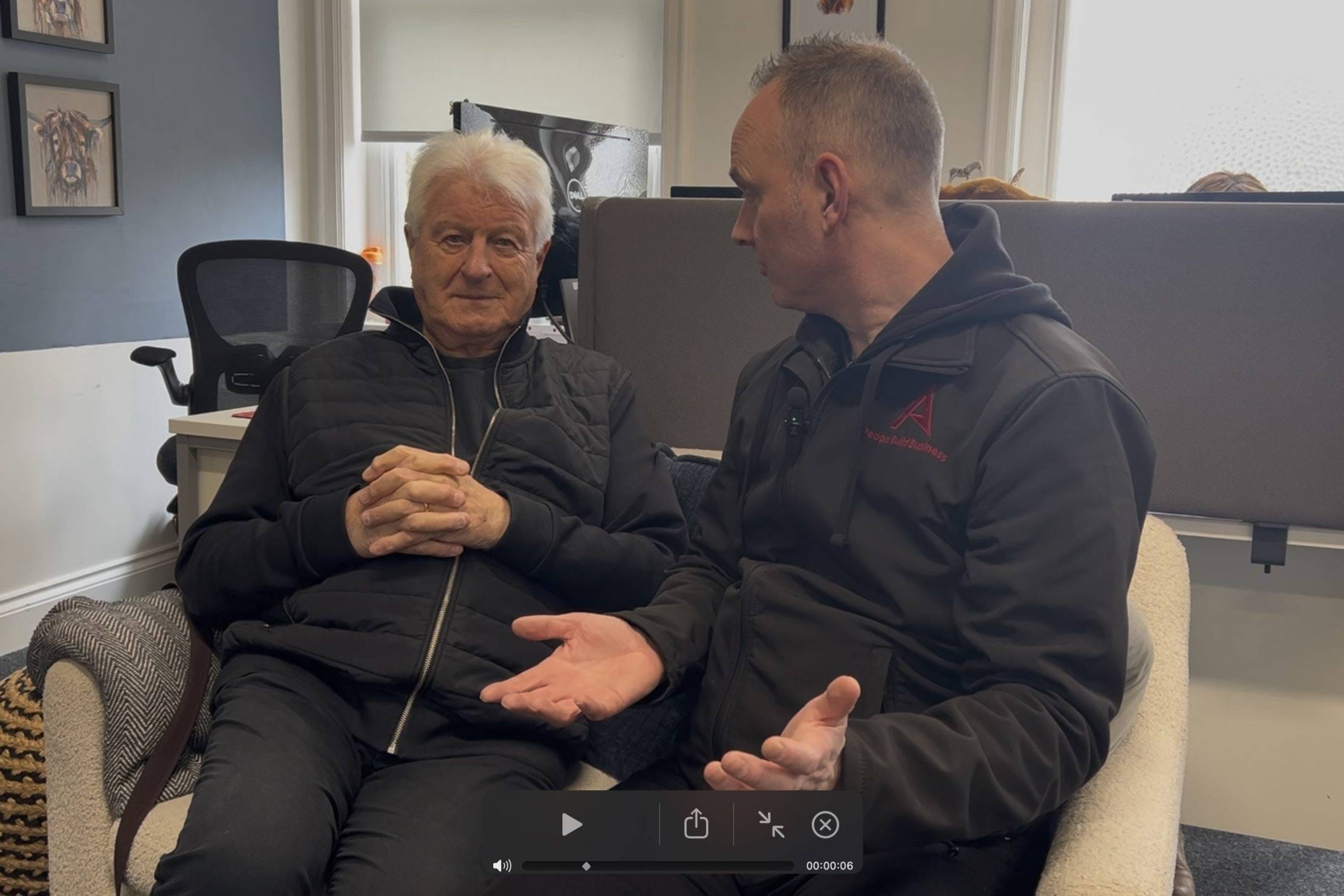
In this special episode of Industry Legends, Simon Acres sits down with one of the most respected figures in British furniture making and bespoke kitchens — Simon Taylor, founder of Simon Taylor Furniture. With more than four decades in the industry, Simon’s journey is a powerful story of craftsmanship, resilience, entrepreneurship and an unwavering commitment to passing skills on to the next generation.
This conversation focuses on Simon’s personal story: where it all began, how his passion for wood and furniture was formed at a young age, and why apprenticeships sit at the very heart of his business philosophy.
In Part Two of this Industry Legends conversation, Simon Acres and Simon Taylor move from personal journey into the commercial realities of running a successful bespoke kitchen and furniture business. This episode is packed with practical advice for retailers, designers and manufacturers — covering everything from pricing and differentiation to installation, customer service and long-term reputation.
Where Part One focused on values and foundations, Part Two is about decision-making, adaptability and protecting margin without compromising trust.
🎧 This is a conversation every industry professional should hear.
Listen to the full podcast episode to hear Simon Taylor’s story in his own words — and join us for Part Two, where the discussion turns to business strategy, differentiation and the future of the KBB industry.
Simon Taylor
Simon Taylor is a master cabinet maker and founder of Simon Taylor Furniture, a business known nationally for its luxury bespoke kitchens, furniture and full turnkey projects. Handmade in England, Simon’s work is deeply rooted in traditional craftsmanship, yet delivered with modern thinking, design expertise and meticulous attention to detail.
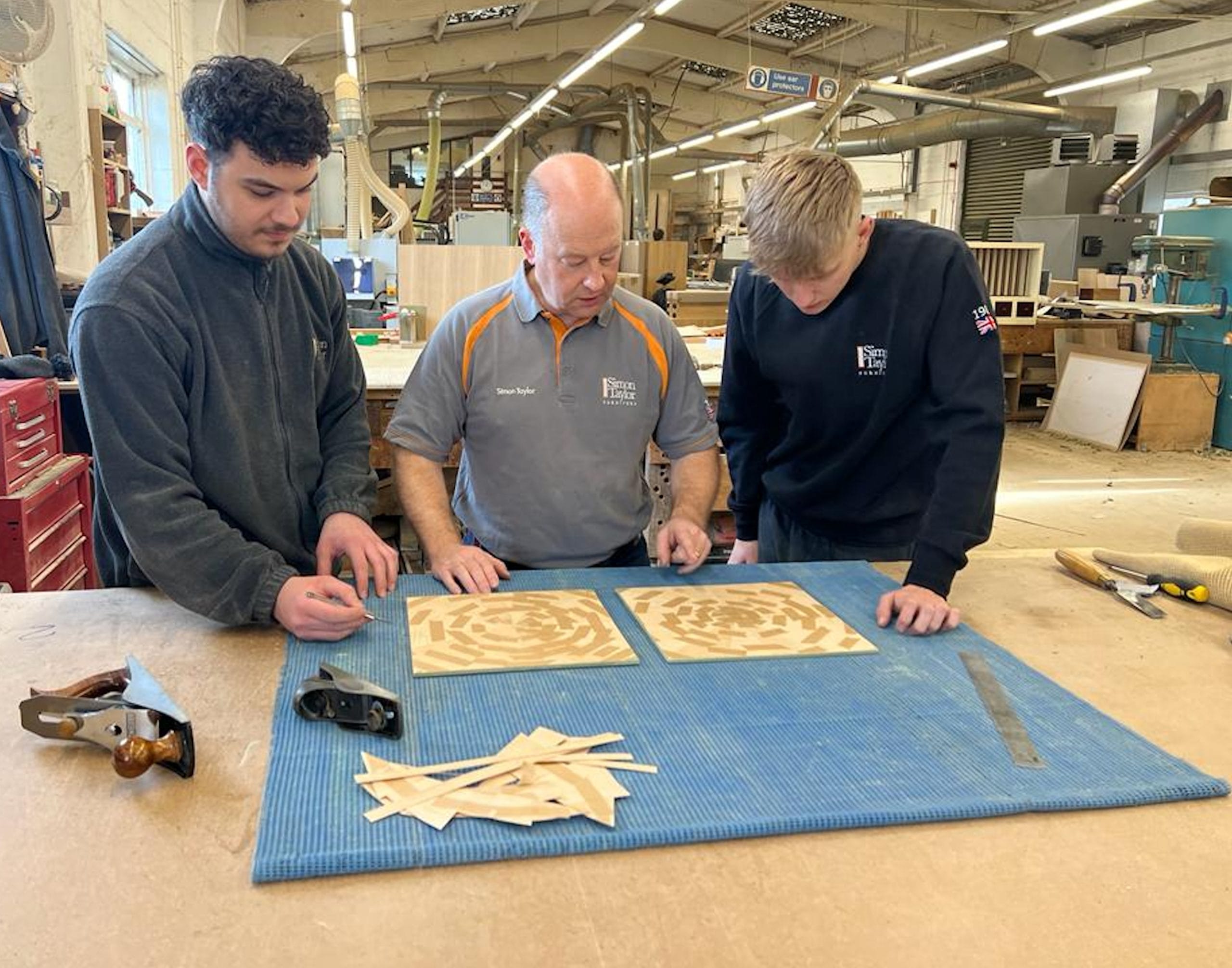
Beyond the products, Simon is widely recognised as an award-winning advocate for apprenticeships, investing heavily in training, education and the future of the industry — not as a marketing exercise, but as a personal mission.
Where It All Started: Aylesbury, Heritage and Early Inspiration
The conversation opens in Aylesbury, Simon’s hometown — a place rich in heritage and history. From there, we explore Simon’s early life and the formative experiences that shaped his career.
A key question sets the tone:
How did it all start, and where did your passion for cabinet making come from?
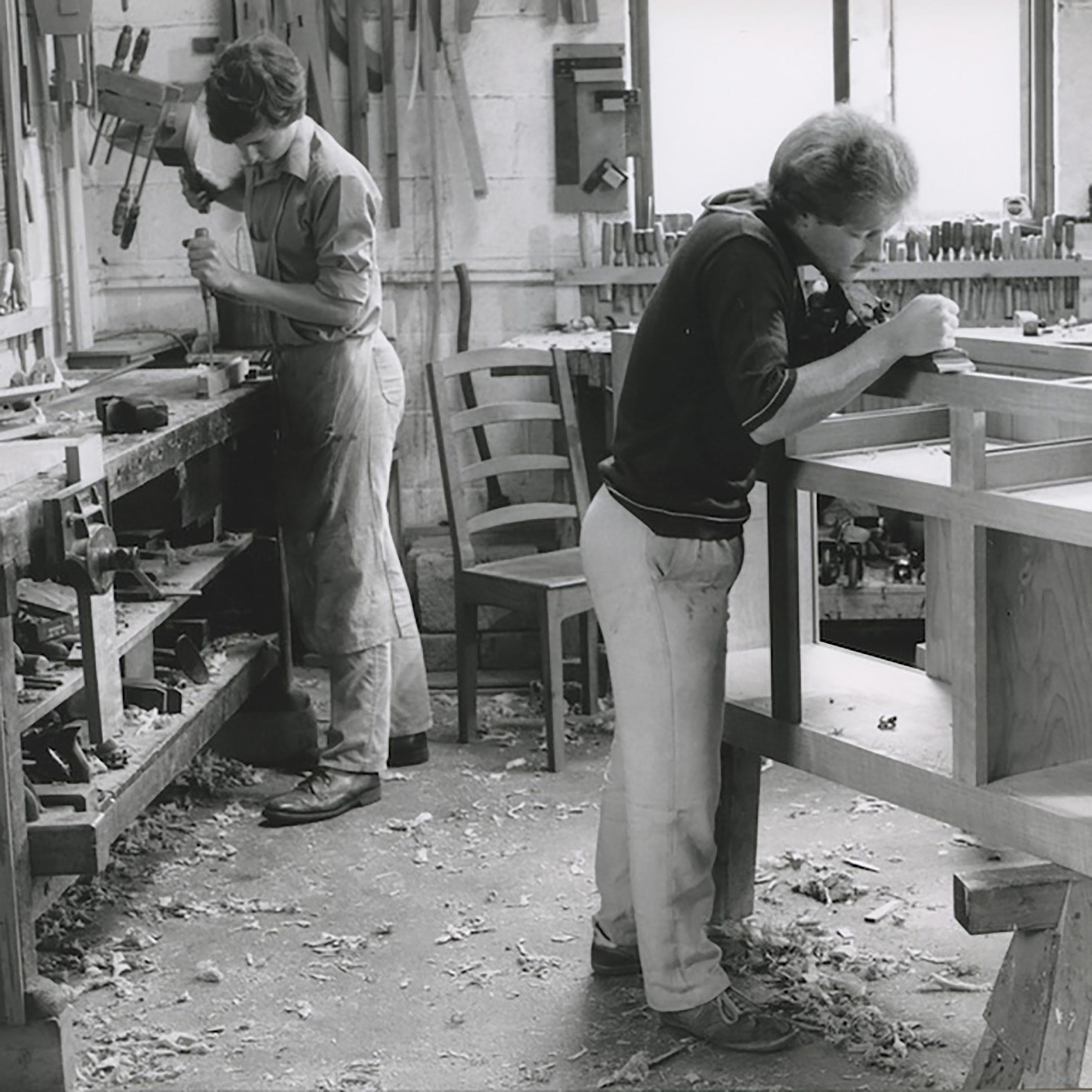
Simon shares a deeply personal story about growing up around woodwork, furniture and self-employment. After the tragic loss of his father at a young age, Simon found both comfort and purpose in working with his hands. From childhood hours spent in a home workshop to early exposure to antique furniture restoration, Simon knew from an early age that furniture making was his calling.
Education, Apprenticeships and Learning a Trade
One of the central themes of this episode is education through apprenticeships.
Simon reflects on a time when learning a trade was not only encouraged, but expected. Apprenticeships were the norm for young people who wanted to become joiners, cabinet makers, electricians or builders — a stark contrast to today’s education landscape.
Key questions explored include:
What did apprenticeships look like 40–45 years ago?
What has changed — and what have we lost along the way?
Why are apprentices still undervalued by so much of the industry?
Simon explains how his time at Rycotewood Furniture College gave him vital foundations in design, hand skills and discipline — but also how real-world workshop experience accelerated his learning even further. He speaks candidly about leaving formal education early to take a job in the Lake District, where practical experience proved invaluable.
Taking the Leap: From Craftsman to Business Owner
The discussion then turns to the moment Simon decided to go out on his own.
Through a combination of skill, opportunity and sheer determination, Simon moved from making furniture for others to building his own workshop, taking on commissions, and eventually producing bespoke kitchens. What started as a single project — and a leap of faith — became the foundation of a brand that now delivers projects across the UK.
This section highlights:
The realities of starting a business from scratch
Learning sales and commercial skills alongside craftsmanship
Why quality must come before recognition and awards
People First: Why Apprentices Matter
A defining part of this episode is Simon’s honest and practical view on apprenticeships.
His message is clear:
“Business is about people. Your staff are your greatest asset.”
Simon explains why apprentices have consistently delivered the greatest return on investment in his business — not just financially, but culturally and creatively. He challenges the industry to stop talking about skills shortages and start taking responsibility.
Key insights include:
Why businesses “can’t afford not to” take on apprentices
How underinvestment today leads to skill decline tomorrow
The importance of engaging schools, parents and communities
Why passion and attitude matter more than academic results
Simon also shares how Simon Taylor Furniture actively opens its doors to schools, students and parents — hosting open days, work experience placements and hands-on demonstrations to demystify the industry and inspire young people.
A Warning — and a Call to Action
As Part One draws to a close, the conversation raises a serious concern: succession planning. With a large portion of the industry approaching retirement age, Simon warns that without action now, vital skills could be lost.
Rather than placing blame, he offers solutions:
Better engagement with schools
More visibility of real career paths
Industry-wide responsibility for training
Smarter government incentives to support apprenticeships


Adapting to Market Conditions and Driving Footfall
Simon begins by addressing a concern many retailers face: quieter showrooms and economic uncertainty. His view is refreshingly pragmatic.
Rather than fearing downturns, Simon believes businesses must adapt, invest and find new ways to generate traffic. Marketing, training and visibility shouldn’t stop when times get tough — in fact, that’s often when they matter most.
He uses a simple but powerful analogy:
The kitchen industry is like a cake. You don’t need the biggest slice — you just need your fair share.
This mindset has guided Simon through multiple recessions, including the 2008 banking crisis, when he chose to invest while others pulled back — a decision that ultimately paid off.
Pricing, Budget Conversations and Confidence in Value
One of the most insightful sections of this episode centres on how to talk about money.
Simon explains that asking directly for a budget can feel uncomfortable, but avoiding the subject causes bigger problems later. Instead, he advocates categorising options clearly — much like buying a car — and confidently framing price ranges early in the conversation.
Rather than asking:
“What’s your budget?”
Simon prefers:
“If we designed you a fantastic kitchen between £50,000 and £60,000, would that feel right for you?”
This approach builds clarity, avoids wasted time, and positions the retailer as a guide — not a salesperson.

Margin Protection Through Added Value, Not Discounts
A recurring theme is protecting margin.
Simon is clear: discounting is easy — but dangerous. Instead, he focuses on adding tangible value while holding price.
Rather than reducing a £63,000 kitchen to win a deal, Simon might include a high-value upgrade — such as a premium boiling water tap — allowing the customer to see the value being added, while the business retains its margin.
“The skill isn’t selling the kitchen — the skill is making money from it.”
Competition Is Healthy — and Necessary
Far from fearing competition, Simon welcomes it.
He explains that nearby competitors help bring customers into an area, encouraging comparison and ultimately benefiting those who deliver the best experience. When competitors disappear, the market often shrinks with them.
For Simon, competition sharpens standards, improves marketing, and gives customers confidence in their final decision.
Showrooms, Workshops and Selling Without Displays
Simon also challenges traditional thinking around showrooms.
While displays matter, he believes inspiration often comes from workshops, people and process, not just room sets. His team frequently designs kitchens remotely and brings solutions directly to the client — making the showroom a touchpoint, not the main sales driver.
In fact, Simon suggests his business could survive without a showroom at all — because trust is built through craftsmanship, transparency and experience.
Installation, Fitters and the Skills Gap
A major focus of Part Two is installation — an area Simon believes the industry undervalues.
With a looming skills shortage, he highlights the urgent need for fitter training and apprenticeships. Simon explains why carpentry backgrounds matter, why fitters should understand plumbing basics, and why preparation work is just as important as fitting.
His business separates:
Shell preparation
Dry fitting
Full project management
This clarity helps customers understand why one quote may be higher than another — and avoids “apples vs oranges” comparisons.
Planning, Trust and Not Charging for Designs
Another standout insight is Simon’s decision not to charge for plans.
While controversial, his reasoning is simple: trust wins business. Creating friction or negativity early in the customer journey risks losing far more than it protects.
“If you lose 95% of the deal to protect 5%, you’re doing it wrong.”
His conversion rates, he notes, justify the approach.
Handling Problems, Protecting Reputation
Perhaps the most powerful moments of this episode come when Simon discusses mistakes, complaints and things going wrong.
His philosophy is clear:
Listen
Take responsibility
Fix it quickly
Protect the brand — even if it costs money
Simon shares stories where problems turned into long-term loyalty, referrals and reputation growth — because clients remembered how issues were handled, not that they happened.
“I don’t see problems as failure — I see them as feedback.”
Care, Culture and Why It All Matters
As the conversation closes, Simon reflects on why he struggles to switch off — not because he has to, but because he cares deeply about his clients, his team and his name above the door.
From job-swap schemes between designers and cabinet makers to fostering teamwork across departments, Simon’s business is built on respect, pride and shared responsibility.
“Why would anyone want to do a job they don’t enjoy?”
Final Thoughts
Part Two of this Industry Legends episode is a masterclass in commercial thinking with human values. It’s honest, practical and deeply relevant to anyone running — or aspiring to run — a successful kitchen, furniture or interiors business.
🎧 Listen to the full episode to hear Simon Taylor’s insights in his own words — and revisit Part One to explore the values and experiences that shaped them.